Overview:
With precision medicine, treatment choice can be influenced by the molecular abnormalities detected inside a malignancy rather than the tumor’s location. The increased availability of comprehensive, clinical-grade molecular profiling platforms has increased the number of predictive biomarkers in treatment paradigms for different malignancies. Low frequency of rare mutations across diverse tumor histologies can be a challenge for drug development. Such examples are TSC1 or TSC2 alterations involved in tumor suppression, which are occur across more than 30 cancer types. Thus, select clinical trials have developed to emphasize tumor-agnostic drug discovery, a method to enrich for new targets irrespective of the etiology of the tumor. In recent years, the advent of new cancer therapies has torn down the barriers between tumor-type indications, with well-designed tumor agnostic basket trials that have far-reaching implications for patients with solid tumors.
This live virtual symposium will bring together experts in the tumor agnostic trials targeting TSC1/2 mutations and a local thought leader to present key data that guide clinical decision-making in the context of real-world clinical scenarios. Participants will have the opportunity to reflect on the importance of genetic testing and enrolling patients into tumor agnostic trials through academic/community practice collaboration and patient counseling. This interactive program will allow clinicians to be exposed to educational programming that increases their knowledge on new targets, mechanisms of action, trial designs, and the unprecedented potential of tissue-agnostic therapeutic avenues.
Learning Objectives:
Upon completion of this activity, participants will be able to:
- Explain the rationale underlying the development of tumor agnostic trials, as well as their designs, advantages, and inherent challenges
- Determine the oncogenic role of TSC1/2 mutations as well as rationale for tumor agnostic trials driven by these biomarkers
- Describe recent key efficacy and safety trial data from studies that investigated tumor agnostic therapies for tumors with TSC1/2 mutations
Target Audience:
This educational program is directed toward oncologists, pathologists, researchers, and fellows interested in the treatment of cancer.
Session Name |
Session Length |
Speaker |
Welcome and Introductions |
5 min |
Brian A. Van Tine, MD, PhD |
Setting the Stage: Why Are Tumor Agnostic Trials on the Rise? |
15 min |
Vivek Subbiah, MD |
Rationale and Real-Time Updates on Tumor Agnostic Trials: A Focus on TSC1/2 Mutations |
20 min |
Brian A. Van Tine, MD, PhD |
Panel Discussion: Addressing Challenges and Seizing Opportunities to Move the Field Forward With Biomarker-Driven Tumor Agnostic Trials |
10 min |
Brian A. Van Tine, MD, PhD and Vivek Subbiah, MD |
Audience Q&A Session |
5 min |
Brian A. Van Tine, MD, PhD |
Summary and Conclusions |
5 min |
Brian A. Van Tine, MD, PhD |
Adjourn |
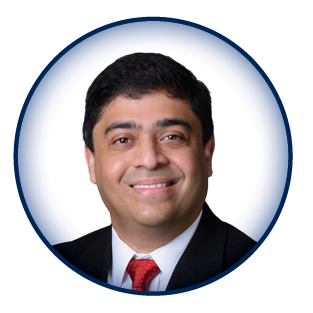
Vivek Subbiah, M.D.
Chief, Early-Phase Drug Development
Sarah Cannon Research Institute (SCRI)
Nashville, TN
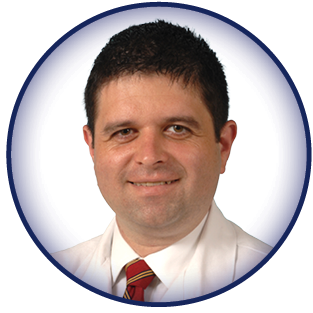
Brian A. Van Tine, M.D., Ph.D.
Professor of Medicine and Pediatrics,
Director of the Developmental Therapeutics (Phase 1) Program
Sarcoma Program Director,
Washington University
St. Louis, MO
Faculty, Staff, and Planners’ Disclosures
The staff of Physicians’ Education Resource®, LLC, have no relevant financial relationships with ineligible companies.
PER® mitigated all COI for faculty, staff, and planners prior to the start of this activity by using a multistep process.
Off-Label Disclosure and Disclaimer
This activity may or may not discuss investigational, unapproved, or off-label use of drugs. Learners are advised to consult prescribing information for any products discussed. The information provided in this accredited activity is for continuing education purposes only and is not meant to substitute for the independent clinical judgment of a health care professional relative to diagnostic, treatment, or management options for a specific patient’s medical condition. The opinions expressed in the content are solely those of the individual faculty members and do not reflect those of PER® or any company that provided commercial support for this activity.