
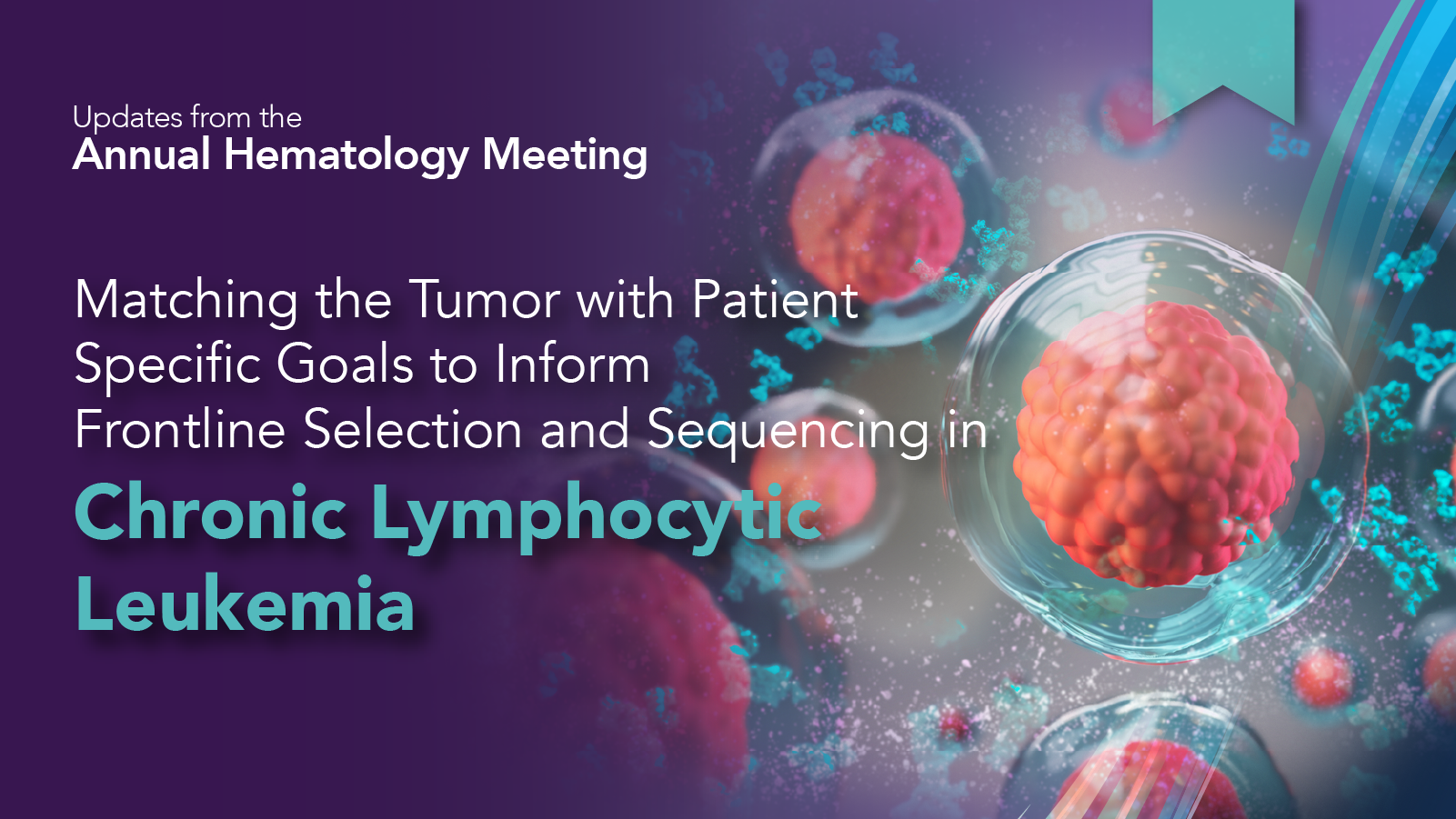
December 15, 2022 3:00 PM – 4:30 PM ET
Overview
One of the clinical hallmarks of chronic lymphocytic leukemia (CLL) is the high degree of variability in its disease course. Some patients experience an indolent disease whereas others have very aggressive disease requiring treatment. Over time, however, most patients relapse and develop refractory disease resistant to standard therapies. Risk stratification and staging in CLL drive therapeutic choice and influence outcomes. Once established, therapy choice can range from no treatment in a low- to intermediate-risk asymptomatic patient, to treatment with single agents or combinations in the high- to very high-risk group. There are currently several new molecules in development for new or expanded indications, including monoclonal antibodies; agents targeting the B-cell receptor (BCR) pathway, B-cell lymphoma 2 (BCL-2) inhibitors, and PI3K inhibitors; immunomodulators, and CAR T-cell therapies. The rapid pace and sheer volume of therapeutic developments that continue to emerge in the treatment of CLL create practical challenges for oncologists who strive to maintain cutting-edge care for their patients.
Updates From the Annual Hematology Meeting: Matching the Tumor With Patient-Specific Goals to Inform Frontline Selection and Sequencing in Chronic Lymphocytic Leukemia is a live, CME-certified webcast to be held on Thursday, December 15, 2022. In this educational program, renowned experts in CLL will review risk stratification in the newly diagnosed patient as well as the role of minimal residual disease (MRD) in treatment monitoring. The experts will also detail practice-changing results from recent clinical trials assessing novel agents and combinations in both the frontline and relapsed/refractory settings.
Benefits of Attending
- Receive the latest information on recent clinical data in both frontline and relapsed/refractory settings of CLL
- Hear experts discuss risk stratification and treatment monitoring of patients with newly diagnosed CLL
- Learn how to apply the evidence on new CLL data in the clinic
Target Audience
This activity is intended for medical oncologists, hematologists, and other oncology healthcare professionals interested in the latest advances in the treatment of patients with chronic lymphocytic leukemia. Fellows, researchers, nurses, nurse practitioners, physician assistants, and other healthcare professionals interested in the treatment of patients with chronic lymphocytic leukemia are also invited to attend.
Learning Objectives
Upon completion of this activity, participants will be able to:
- Determine the impact of risk stratification, patient-specific factors, and MRD assessment on therapeutic decisions for patients with CLL
- Assess recent clinical evidence on current and emerging therapeutic approaches that have been evaluated for the treatment of patients with CLL across lines of care
- Apply proactive strategies to recognize and mitigate toxicities associated with monotherapy and combination approaches in patients with CLL
- Translate pivotal trial data on evolving therapeutic options in CLL to develop patient-adapted treatment decisions and sequencing strategies
Updates From the Annual Hematology Meeting: Matching the Tumor With Patient-Specific Goals to Inform Frontline Selection and Sequencing in CLL
Live Webcast |
|
Time |
|
3:00 pm |
Welcome and Introductions |
3:05 pm |
Risk Stratification in the Newly Diagnosed Patient |
3:20 pm |
What Factors Inform Frontline Treatment Decision-making? Panel Discussion |
3:30 pm |
Role of Treatment Monitoring in CLL |
3:45 pm |
How Do You Incorporate MRD Monitoring Into Clinical Practice? Panel Discussion |
3:55 pm |
Treatment Options for Relapsed/Refractory CLL |
4:10 pm |
How Are Unmet Needs in the Relapsed/Refractory Setting Being Addressed Through Clinical Trial Design? Panel Discussion |
4:20 pm |
Audience Q&A |
4:25 pm |
Summary and Conclusions |
4:30 pm |
Adjourn |
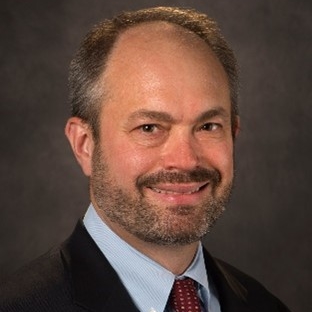
William G. Wierda, MD, PhD
D.B. Lane Cancer Research Distinguished Professor
Department of Leukemia
Division of Cancer Medicine
The University of Texas MD Anderson Cancer Center
Houston, TX

Ryan Jacobs, MD
Director, Lymphoma Division, Department of Hematology
Levine Cancer Institute/Atrium Health
Charlotte, NC

Susan M. O'Brien, MD
Associate Director for Clinical Science, Chao Family Comprehensive Cancer Center
Medical Director, Sue & Ralph Stern Center for Clinical Trials & Research
Professor, Division of Hematology/Oncology
University of California, Irvine
Irvine, CA

Jennifer R. Brown, MD, PhD
Professor of Medicine
Harvard Medical School
Director, CLL Center
Dana-Farber Cancer Institute
Boston, MA
Faculty, Staff, and Planners’ Disclosures
The staff of Physicians’ Education Resource®, LLC, have no relevant financial relationships with ineligible companies.
PER® mitigated all COI for faculty, staff, and planners prior to the start of this activity by using a multistep process.
Off-Label Disclosure and Disclaimer
This activity may or may not discuss investigational, unapproved, or off-label use of drugs. Learners are advised to consult prescribing information for any products discussed. The information provided in this accredited activity is for continuing education purposes only and is not meant to substitute for the independent clinical judgment of a health care professional relative to diagnostic, treatment, or management options for a specific patient’s medical condition. The opinions expressed in the content are solely those of the individual faculty members and do not reflect those of PER® or any company that provided commercial support for this activity.