
Overview:
The treatment landscape for patients with multiple myeloma (MM) has significantly expanded over the past decades with the introduction of several new classes of therapeutic agents, such as proteasome inhibitors, immunomodulatory agents, and anti-CD38 antibodies. Nevertheless, patients eventually develop resistance and have to be moved to the next best available therapy. The recent emergence of chimeric antigen receptor T cells and bispecific agents is yet again expanding the therapeutic tools available for clinicians treating patients with MM. These new approaches raise challenges in terms of treatment sequencing and management of adverse events.
This cutting-edge program will describe the state-of-the-art in therapy for patients with MM, and will also provide updates from major hematology/oncology conferences. Case-based panel discussions will help illustrate how current and emerging approaches can be applied to address unmet medical needs in patients with MM. Throughout the program, attendees will have the opportunity to ask questions directly to the expert faculty in order to incorporate expert perspectives into clinical practice.
Target audience:
This educational activity is directed toward medical oncologists, hematologic oncologists, hematologists, researchers, and other healthcare professionals involved in the treatment of multiple myeloma
Learning objectives:
- Incorporate disease- and patient-related factors, as well as prior lines of therapy, into risk assessment to develop effective individualized plans for patients with MM.
- Evaluate pivotal safety and efficacy clinical trial data from studies that evaluated current and emerging therapies for patients with MM.
- Devise effective monitoring and care strategies for treatment-related toxicities in frontline and relapsed/refractory MM settings.
- Integrate recent practice-changing evidence to develop personalized care plans, including those that address disparities in care, among patients with MM.
Benefits of Attending:
- Learn about new clinical trial data in MM from recent hematology/oncology conferences
- Gain insight into emerging therapeutic approaches in MM
- Find out how experts are sequencing therapeutic classes of agents along the therapeutic continuum in MM
- Pose questions to the expert faculty to get answers to your questions about how to incorporate new agents and approaches into clinical practice
Hot Topics :
- Optimizing induction therapy in patients with newly diagnosed MM
- the latest clinical data with chimeric antigen receptor T cells and bispecific agents
- Emerging therapeutic targets and combination regimens
Agenda Details Coming Soon!
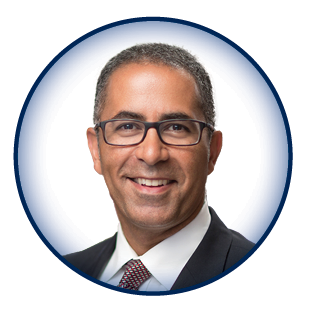
Joseph R. Mikhael, MD, MEd, FRCPC, FACP
Professor, Division of Applied Cancer Research and Drug Discovery
Translational Genomics Research Institute (TGen)
City of Hope Comprehensive Cancer Center
Phoenix, AZ

Ajai Chari, MD
Director of Multiple Myeloma Program
Professor of Clinical Medicine
University of California, San Francisco
San Francisco, CA

Caitlin Costello, MD
Associate Clinical Professor of Medicine
Division of Blood and Marrow Transplant
Moores Cancer Center
UC San Diego Health
San Diego, CA

Krina Patel, MD, MSc
Associate Professor in Cancer Medicine
Department of Lymphoma and Myeloma
The University of Texas MD Anderson Cancer Center
Houston, TX
Faculty, Staff, and Planners’ Disclosures
The staff of Physicians’ Education Resource®, LLC, have no relevant financial relationships with ineligible companies.
PER® mitigated all COI for faculty, staff, and planners prior to the start of this activity by using a multistep process.
Off-Label Disclosure and Disclaimer
This activity may or may not discuss investigational, unapproved, or off-label use of drugs. Learners are advised to consult prescribing information for any products discussed. The information provided in this accredited activity is for continuing education purposes only and is not meant to substitute for the independent clinical judgment of a health care professional relative to diagnostic, treatment, or management options for a specific patient’s medical condition. The opinions expressed in the content are solely those of the individual faculty members and do not reflect those of PER® or any company that provided commercial support for this activity.