
November 29, 12:00 PM – 2:00 PM ET
Overview
The treatment of relapsed/refractory multiple myeloma (R/R MM) has become challenging owing to the variety of novel agents and combinations available for patients with early relapse as well as those in later lines of therapy. The selection and sequencing of therapy, in addition to adverse event management, can be daunting given the diverse class of agents now approved, such as monoclonal antibodies, selective inhibitors of nuclear export, anti-BCMA antigens, and peptide-drug conjugates.
The Reflective Case-Based Oncology Collective™ combines a core curriculum developed by renowned experts in MM with real-world cases that challenge learners to reflect on the application of the evidence to their own clinical practice, bringing together physicians to collectively consider the ramifications for care of new approaches to treatment and clinical management of R/R MM.
Benefits of Attending
- Enjoy an afternoon of direct interaction with world-renowned experts in R/R MM
- Hear varied perspectives on how to manage challenging real-world cases
- Explore how novel therapies are being used to manage heavily pretreated patients with R/R MM
- Review supportive care measures for patients with hematological malignancies who have been exposed to multiple rounds of cancer therapy
Target Audience
This activity is directed toward medical oncologists and hematologist/oncologists who treat or manage patients with multiple myeloma. Other oncology healthcare professionals, including nurses and pharmacists who manage patients with multiple myeloma, are also invited to participate.
Learning Objectives
Upon successful completion of this activity, you should be better prepared to:
- Explain the impact of risk stratification and treatment resistance on decision-making among patients with multiple myeloma in early relapse
- Examine efficacy and safety results from clinical trials conducted among patients with relapsed/refractory multiple myeloma in later lines of therapy
- Integrate treatment algorithms based on patient-, disease-, and treatment-factors to select optimal therapies for patients with relapsed/refractory multiple myeloma at different points in their disease journey
- Demonstrate ability to incorporate landmark and recent clinical trial evidence to manage relapsed/refractory multiple myeloma
Reflective Case-Based Oncology Collective™: Strategic Algorithms for Challenging Cases in Relapsed/Refractory Multiple Myeloma |
||
Time |
||
12:00 PM |
Welcome and Introductions |
Irene M. Ghobrial, MD |
12:15 PM |
Treating Patients with MM in Early Relapse |
Irene M. Ghobrial, MD |
12:35 PM |
Case Discussion: Treatment Strategies in Early Lines for Patients with R/R MM |
Irene M. Ghobrial, MD |
12:55 PM |
Treatment Sequencing in Later Lines of R/R MM |
Joshua Richter, MD |
1:20 PM |
Case Discussion: Matching Patients With Optimal Treatment in Later Lines of R/R MM |
Joshua Richter, MD |
1:50 PM |
Concluding Remarks |
Joshua Richter, MD |
2:00 PM |
Adjourn |
|

Ajai Chari, MD - Series Chair
Director, Clinical Research, Multiple Myeloma Program
Associate Medical Director, Tisch Cancer Institute Clinical Trials Office
Professor of Medicine (Hematology and Medical Oncology) at the Icahn School of Medicine, Mt.
Sinai New York

Irene M. Ghobrial, MD - Program Faculty
Lavine Family Chair of Preventative Cancer Therapy
Professor of Medicine
Director of the Center for Prevention of Progression
Dana-Farber Cancer Institute
Harvard Medical School
Boston, MA
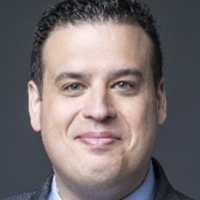
Joshua Richter, MD - Program Faculty
Associate Professor, Myeloma Division
Medicine, Hematology and Medical Oncology
Tisch Cancer Institute
Icahn School of Medicine at Mount Sinai
Director of Myeloma
Blavatnik Family Chelsea Medical Center at Mount Sinai
New York, NY
Faculty, Staff, and Planners’ Disclosures
The staff of Physicians’ Education Resource®, LLC, have no relevant financial relationships with ineligible companies.
PER® mitigated all COI for faculty, staff, and planners prior to the start of this activity by using a multistep process.
Off-Label Disclosure and Disclaimer
This activity may or may not discuss investigational, unapproved, or off-label use of drugs. Learners are advised to consult prescribing information for any products discussed. The information provided in this accredited activity is for continuing education purposes only and is not meant to substitute for the independent clinical judgment of a health care professional relative to diagnostic, treatment, or management options for a specific patient’s medical condition. The opinions expressed in the content are solely those of the individual faculty members and do not reflect those of PER® or any company that provided commercial support for this activity.