

Wednesday, September 4, 2024
How Can Updates in the Armamentarium Improve our Care for Neovascular AMD? Applying Expert Perspectives to Practice
September 4, 2024 | 7:00 PM - 8:00 PM ET
With recent additions to treatment options for neovascular age-related macular degeneration (nAMD) come new questions. How can newer anti-VEGF and bispecific therapies affect the treatment burden for patients with nAMD? Which patients can attain longer treatment intervals, and what are the criteria to determine the optimal interval?
Optimizing Approaches to X-Linked Retinitis Pigmentosa: Applying Advances in Diagnosis and Looking Toward the Future of Gene Therapy
September 4, 2024 | 8:00 PM - 9:00 PM ET
X-linked retinitis pigmentosa (XLRP) brings a swifter progression of disease compared with other forms of RP, with patients often progressing from night blindness in early adolescence to legal blindness in young adulthood. With multiple gene therapies for XLRP currently under investigation, this program will help eye care professionals enhance their ability to diagnose XLRP and explain investigational gene therapies to their patients.
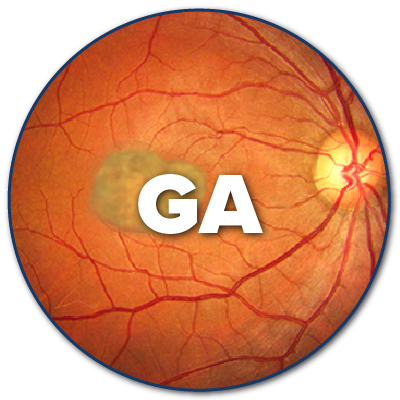
Applications for the Advances in Geographic Atrophy: Expert Approaches to Management in a New Era of Treatment
September 5, 2024 | 7:00 PM - 8:00 PM ET
With FDA-approved therapies that target underlying drivers of the atrophic AMD process—and advances in multimodal imaging that have supported a greater understanding of dry AMD—treatment of geographic atrophy (GA) is undergoing a profound shift. In this program, eye care professionals will take home expert insights to better diagnose GA, track and predict its progression, and initiate appropriate therapy that can reduce the progression of GA.
Alleviating Burden in Diabetic Macular Edema and Diabetic Retinopathy Through Advanced Therapeutic Intervention
September 5, 2024 | 8:00 PM - 9:00 PM ET
Patients with diabetic retinopathy (DR) or diabetic macular edema (DME) tend to have a host of comorbidities – and a considerable burden of required treatments and medical appointments. Recent additions to treatment options for DR and DME provide opportunities to reduce patients’ eye-related treatment burden.
Overview
Despite its small size (1.7 square inches, give or take a few millimeters), the retina can generate a wide range of disease processes. And given the recent advances in treating these conditions – both in recently approved therapies and agents in clinical trials – the nation’s 3,000+ retina specialists are busier than ever.
The Modern-izing Retina Live Summit is the new destination for continuing education to keep retina specialists and other eye care professionals at the forefront of a rapidly changing field. It will provide four 1-hour sessions, spread over 2 evenings, on current and emerging issues. Faculty from the nation’s top retina centers will highlight new clinical trial data relevant to your practice; tease out answers for complex cases; and provide opportunities for interactive learning. Today’s retinal problems require modern solutions … and that’s what you’ll take back to your practice from this conference.

W. Lloyd Clark, MD

Priya Sharma Vakharia, MD
Physicians’ Education Resource®, LLC, is accredited by the Accreditation Council for Continuing Medical Education (ACCME) to provide continuing medical education for physicians.
Physicians’ Education Resource®, LLC designates this live activity for a maximum of 4.0 AMA PRA Category 1 Credits™. Physicians should claim only the credit commensurate with the extent of their participation in the activity.