
Overview:
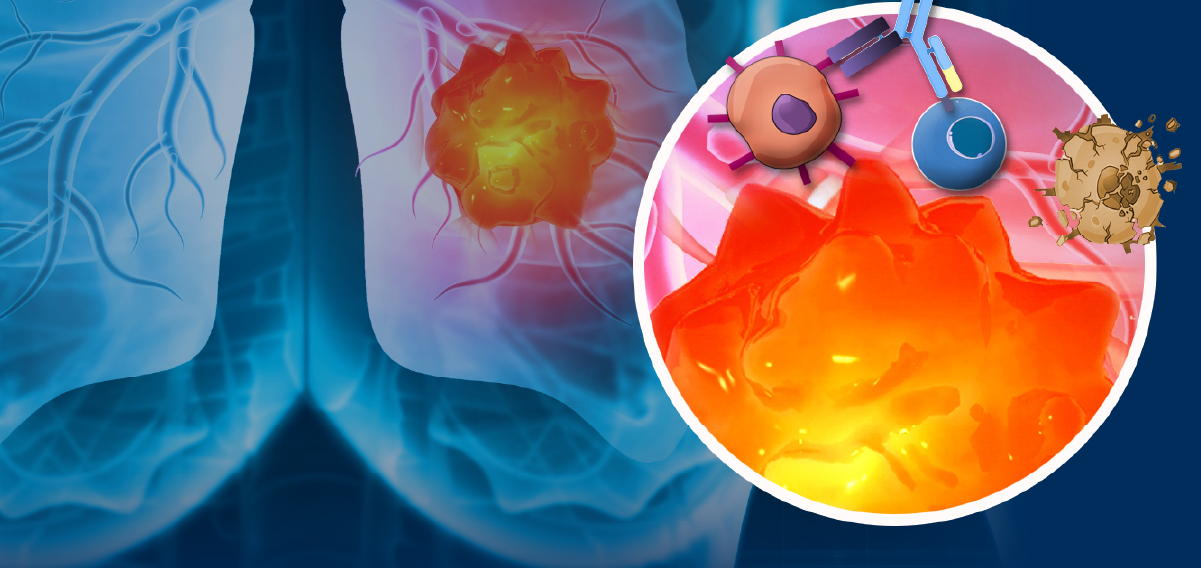
DLL3 is reshaping the treatment landscape for small cell lung cancer (SCLC), one of the most aggressive and rapidly relapsing malignancies. As a highly actionable therapeutic target, DLL3 has become a central focus of innovation with the FDA approval of the DLL3-directed bispecific T-cell engager tarlatamab and the ongoing development of other DLL3-targeted strategies. These breakthroughs bring new hope for patients, but also introduce distinct, therapy-specific toxicities, including cytokine release syndrome (CRS), immune effector cell–associated neurotoxicity syndrome (ICANS), and hematologic adverse events that demand specialized nursing expertise.
This
CE-certified Medical Crossfire® hybrid symposium convenes a
multidisciplinary panel of SCLC experts to translate evolving DLL3
science into practical, nursing-centered strategies for real-world care.
Through concise didactic updates, case-based debates, and interactive
discussions, faculty will deliver actionable insights on AE recognition and
management, triage and workflow optimization, outpatient monitoring and
telehealth follow-up, and guideline-informed step-up dosing. This dynamic
program equips oncology nurses to confidently and safely implement
DLL3-targeted therapies across diverse practice settings.
Learning Objectives:
Upon completion of this activity, learners will be better able to:
- Explain the unique biology of DLL3 in SCLC and its rationale as a therapeutic target
- Describe clinical efficacy, safety profiles, and mechanisms of DLL3-targeted therapies
- Identify strategies to monitor, recognize, and manage specific AEs associated with DLL3 therapies
- Implement effective nursing interventions and patient education approaches for novel DLL3-targeted therapies in multicenter care settings
Learning Objectives for Pharmacists:
- Explain the unique biology of DLL3 in SCLC and its rationale as a therapeutic target, and discuss how DLL3 expression informs the use of DLL3-directed therapies in practice
- Describe the clinical efficacy, safety profiles, and mechanisms of DLL3-targeted therapies and interpret key trial data relevant to pharmacy practice in SCLC
- Identify strategies to monitor, recognize, and manage specific adverse events associated with DLL3-targeted therapies and describe the pharmacist’s role in creating and implementing evidence-based monitoring, premedication, and mitigation protocols
Target Audience:
This educational activity is directed toward oncology
nurses, nurse practitioners, and other healthcare providers who manage patients
with SCLC.

Alissa J. Cooper, MD
Dana-Farber Cancer Institute
Boston, MA

Rebecca W. Repetti, NP
Memorial Sloan Kettering Cancer Center
New York, NY

Stephanie McDonald, MSN, FNP-BC, AOCNP
Dana-Farber Cancer Institute
Boston, MA

Kelly Goodwin, NP
Mass General Brigham Cancer Institute
Boston, MA
Physicians’ Education Resource®, LLC is approved by the California Board of Registered Nursing, Provider #16669, for 1.5 Contact Hours.
Physicians' Education Resource®, LLC (PER) is accredited by the Accreditation Council for Pharmacy Education as a provider of continuing pharmacy education.
Physicians' Education Resource®, LLC has approved this application-based activity for 1.50 ACPE CE hours UAN # 0661-0000-26-005-L01-P. Eligibility for credits requires full attendance, engagement in the live activity, completion and submission of the learner NABP ID # and month and day of birth, activity pre/post-session questions, and the post activity evaluation.