
Activity Overview
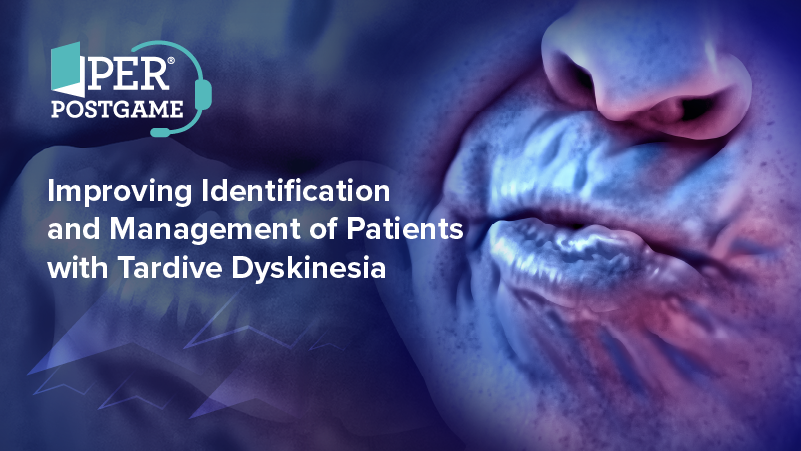
This online educational activity is designed to provide expert interpretation of new and emerging data on the treatment of tardive dyskinesia, with a forward-looking perspective on how new and novel agents might impact clinical practice. Discussions regarding early disease identification are also included in this activity.
Target Audience
This educational activity is directed toward psychiatrists, psychiatric NPs, PAs, RNs, and other HCPs involved in the management of patients with TD.
Learning Objectives
Upon successful completion of this activity, you should be better prepared to:
- Implement strategies to identify patients with TD
- Differentiate between the characteristics of different therapies for TD
- Design individualized management plans for patients with TD

Gustavo Alva, MD
Medical Director of ATP Clinical Research
Disclosures: Advisor, Consultant, Fee for Service Recipient: AbbVie, Acadia, Alkermes, Axsome, Biogen, Johnson & Johnson, Neurocrine, Supernus, Teva; Speakers Bureau: AbbVie, Acadia, Alkermes, Axsome, Biogen, Johnson & Johnson, Neurocrine, Supernus, Teva; Grant/Research Funding (to institution): AbbVie, Acadia, Alkermes, Axsome, Biogen, Johnson & Johnson, Neurocrine, Supernus, Teva, Cybin Helus, Transcend, Definium Carey Martin Professor, University of California, San Francisco Carey Martin has no relevant financial relationships with ineligible companies.

Carey Martin, PMHNP, FNP, DNP
Professor University of San Francisco
School of Nursing and Health
San Francisco, CA
Disclosures: Carey Martin has no relevant financial relationships with ineligible companies.
The staff of Physicians’ Education Resource®, LLC, have no relevant financial relationships with ineligible companies.
PER® mitigated all conflicts of interest for faculty, staff, and planners prior to the start of this activity by using a multistep process.
Off-Label Disclosure and Disclaimer
This accredited continuing education activity was planned in accordance with the ACCME Standards for Integrity and Independence to ensure balance, objectivity, independence, and scientific rigor. Faculty were instructed to use generic names when possible and to base recommendations on the best available evidence. Proprietary product names may be referenced in clinical discussion for educational purposes only and do not imply endorsement.
This activity may include discussion of investigational, unapproved, or off‑label uses of drugs or devices. Learners are advised to consult prescribing information for products discussed. Content is provided for educational purposes only and is not a substitute for the independent clinical judgment of a health care professional. Learners are encouraged to critically evaluate the information presented and apply their own clinical judgment.
The views expressed are those of the individual faculty members and do not necessarily reflect the views of the accredited provider or any entity providing commercial support.
This activity may have used AI-assisted tools to support educational development. All content was reviewed and approved by qualified faculty or planners. The accredited provider retains full responsibility for accuracy, balance, and independence.
GET STARTED WITH THIS PROGRAM:
Register now to gain access to this program.
Create AccountAlready Registered? Login Here