
Release Date: January 14, 2025
Expiration Date: January 14, 2026
Activity Overview
The most common monogenic global disorders worldwide are hemoglobinopathies, which are genetic diseases related to hemoglobin synthesis. The genetic cause of hemoglobinopathies is DNA variants in or near the globin genes. Approximately 7% of the global population carries a DNA variant, with the majority of diagnosed individuals having sickle cell disease (SCD); the minority of patients are affected by β-thalassemia. Although hemoglobinopathies are diverse, their burden is severe and disabling for many individuals and requires specialized multidisciplinary management. This continuing medical education symposium features engaging, case-based discussions among 3 experts, highlighting clinical trial data for gene therapies and strategies for integrating gene therapy into the individualized management of hemoglobinopathies including SCD and transfusion-dependent thalassemia.
This educational activity is an archive of the live/virtual symposium held on December 6, 2024.
Target Audience
This educational activity is directed toward pediatric and adult hematologists, hematologist-oncologists, pediatricians, nurses, nurse practitioners, physician assistants, and other clinicians involved in the management of patients living with hemoglobinopathies.
Learning Objectives
Upon successful completion of this activity, you should be better prepared to:
- Describe the burden of disease of transfusion-dependent thalassemia (TDT)
- Outline the burden of disease of sickle cell disease (SCD)
- Formulate individualized management plans for patients with TDT
- Design personalized treatment plans for patients with SCD
- Evaluate clinical trial data for gene therapy for hemoglobinopathies
- Integrate gene therapy into management plans for patients with hemoglobinopathies
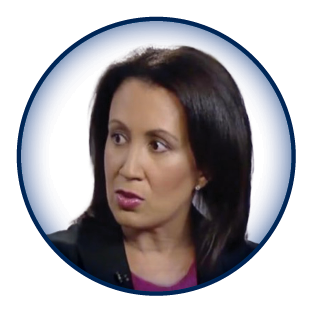
Biree Andemariam, MD
Professor of Medicine
Director, New England Sickle Cell Institute
University of Connecticut Health Center
Director, Connecticut Bleeding Disorders Center
Farmington, CT
Disclosures: Grant/Research Support: Afimmune, Agios Pharmaceuticals, Novo Nordisk, Pfizer; Consultant: Afimmune, Agios Pharmaceuticals, bluebird bio, Novo Nordisk, Pfizer, Roche, Sanofi Genzyme, Vertex Pharmaceuticals.
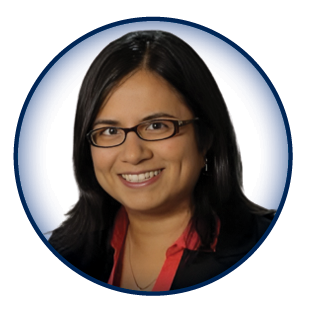
Farzana Sayani, MD, MSc, FRCPC
Director, Red Blood Cell Disorders Program
University Health Network
Associate Professor, Division of Medical Oncology and Hematology, Department of Medicine,
University of Toronto
ON, Canada
Disclosures: Grant/Research Support: Agios Pharmaceuticals, Bristol Myers Squibb, Celgene, Novartis; Other: funds to institution: Agios Pharmaceuticals, Bristol Myers Squibb, Celgene, Novartis.
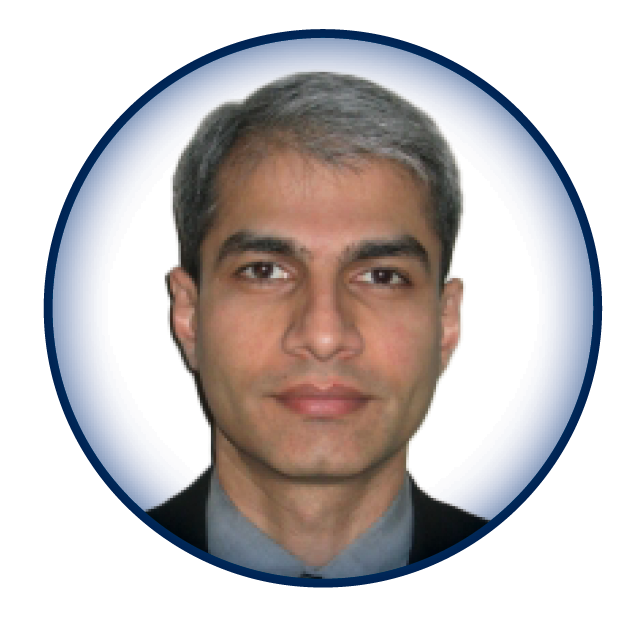
Sujit Sheth, MD
Harold Weill Professor
Chief, Division of Pediatric Hematology and Oncology
Weill Cornell Medicine
New York, NY
Disclosures: Grant/Research Support: Agios Pharmaceuticals, Bristol Myers Squibb, Forma/Novo Nordisk; Consultant: Agios Pharmaceuticals, Bristol Myers Squibb, Chiesi, Forma/Novo Nordisk; Other: member, clinical trial steering committee, Vertex Pharmaceuticals.
Faculty, Staff, and Planners’ Disclosures
The staff of Physicians’ Education Resource®, LLC have no relevant financial relationships with ineligible companies.
PER® mitigated all COI for faculty, staff, and planners prior to the start of this activity by using a multistep process.
Off-Label Disclosure and Disclaimer
This activity may or may not discuss investigational, unapproved, or off-label use of drugs. Learners are advised to consult prescribing information for any products discussed. The information provided in this accredited activity is for continuing education purposes only and is not meant to substitute for the independent clinical judgment of a health care professional relative to diagnostic, treatment, or management options for a specific patient’s medical condition. The opinions expressed in the content are solely those of the individual faculty members and do not reflect those of PER® or any company that provided commercial support for this activity.
GET STARTED WITH THIS PROGRAM:
Register now to gain access to this program.
Create AccountAlready Registered? Login Here