
Activity Overview
The treatment landscape for biomarker-positive metastatic non-small cell lung cancer (NSCLC) has expanded rapidly over the past decade, with next-generation targeted therapies now available across a growing set of actionable drivers—including KRAS, EGFR, ALK, ROS1, RET, NRG1, and MET. That pace of change has placed the pathologist at the center of treatment decision-making. Test selection, standardized reporting of biomarker subtypes, the role of RNA-based next-generation sequencing in detecting actionable fusions, and the integration of circulating tumor DNA assays into routine workflows each determine a patient’s eligibility for therapy. Practice assessments continue to show uncertainty across these areas; in addition, there is limited confidence in translating variant-level findings into targeted therapy selection and insufficient awareness of the clinical efficacy of newer targeted agents.
This Cases and Conversations symposium brings pathology and oncology expertise together for a structured, case-based discussion of how biomarker results are generated, reported, and acted upon in patients with metastatic NSCLC. Through clinical and pathologic scenarios that mirror real-world diagnostic complexity, expert faculty work through molecular testing workflow design, DNA- vs RNA-based panel selection, tissue and liquid biopsy integration, protein-based testing when next-generation sequencing returns no actionable alteration, and variant-level reporting decisions that shape targeted therapy choice. Audience polling has been integrated throughout, giving participants the opportunity to compare their own testing and treatment decisions with those of the faculty and with their peers across the room.
This educational activity is an archive of the live virtual symposium held on October 6, 2026.
Target Audience
This educational activity is directed toward pathologists, oncologists, laboratory professionals, advanced practice professionals, nurses, and other health care practitioners involved in the multidisciplinary care of patients with NSCLC.
Learning Objectives
Upon successful completion of this activity, you should be better prepared to:
- Integrate best-practice molecular and protein-based testing strategies to accurately identify alterations in NSCLC actionable biomarkers
- Evaluate the latest data on evolving targeted therapy options for KRAS, ROS1, RET, and c-MET alterations in NSCLC
- Integrate biomarker testing results to inform targeted therapy selection in NSCLC

Lyudmila Bazhenova, MD, FASCO
Clinical Professor of Medicine
Director, Hematology Oncology Training Program
Lung Cancer Team Leader
US San Diego Moores Cancer Center
UC San Diego Health
La Jolla, CA
Disclosures: Advisor, Consultant, Speaker, Fee-for-Service Recipient: AbbVie, Bayer, Boehringer Ingelheim, Bristol Myers Squibb, Eli Lilly, Genentech, Johnson & Johnson, Merck, Natera, Nuvalent, Pfizer, Revolution Medicines, Summit, Taiho Oncology

Michelle Afkhami, MD
Clinical Professor, Department of Pathology
CLIA Director, COH-Clinical Molecular Genomics and Cytogenomics Laboratories
Chief, Division of Molecular Pathology & Therapy Biomarkers
Medical Director, Cytogenetics and Clinical Molecular Diagnostic Laboratories
City of Hope Comprehensive Cancer Center
Duarte, CA
Disclosures: Michelle Afkhami, MD, has no relevant financial relationships with ineligible companies.
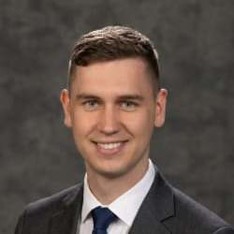
Igor Odintsov, MD
Assistant Professor of Pathology
University of California, San Francisco
San Francisco, CA
Disclosures: Advisor, Consultant, Fee-for-Service Recipient: Revolution Medicines.

Soo-Ryum (Stewart) Yang, MD
Assistant Attending Pathologist
Diagnostic Molecular Pathology; Thoracic Pathology
Co-Director, Clinical Biomarker Development
Early Drug Development Service (Solid Tumor)
Memorial Sloan Kettering Cancer Center
New York, NY
Disclosures: Advisor, Consultant, Fee-for-Service Recipient: AbbVie, Amgen, AstraZeneca, Eli Lilly, Merus, Revolution Medicines, Roche, Sanofi
The staff of Physicians’ Education Resource®, LLC have no relevant financial relationships with ineligible companies.
PER® mitigated all conflicts of interest for faculty, staff, and planners prior to the start of this activity by using a multistep process.
Off-Label Disclosure and Disclaimer
This accredited continuing education activity was planned in accordance with the ACCME Standards for Integrity and Independence to ensure balance, objectivity, independence, and scientific rigor. Faculty were instructed to use generic names when possible and to base recommendations on the best available evidence. Proprietary product names may be referenced in clinical discussion for educational purposes only and do not imply endorsement.
This activity may include discussion of investigational, unapproved, or off‑label uses of drugs or devices. Learners are advised to consult prescribing information for products discussed. Content is provided for educational purposes only and is not a substitute for the independent clinical judgment of a health care professional. Learners are encouraged to critically evaluate the information presented and apply their own clinical judgment.
The views expressed are those of the individual faculty members and do not necessarily reflect the views of the accredited provider or any entity providing commercial support.
This activity may have used AI-assisted tools to support educational development. All content was reviewed and approved by qualified faculty or planners. The accredited provider retains full responsibility for accuracy, balance, and independence.
GET STARTED WITH THIS PROGRAM:
Register now to gain access to this program.
Create AccountAlready Registered? Login Here