
Overview:
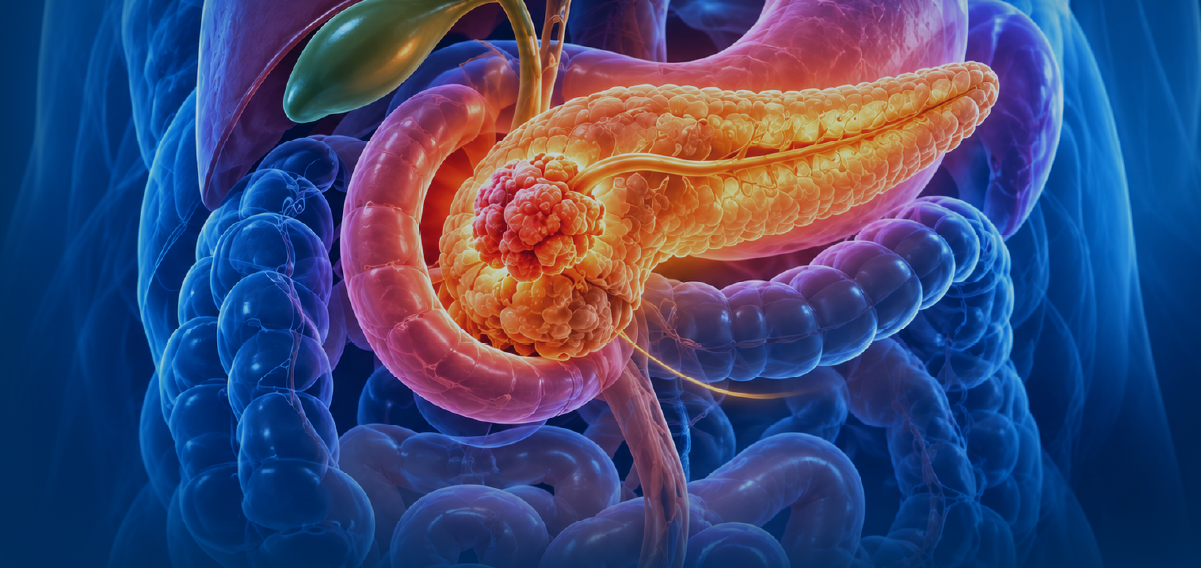
Best practices in the treatment of pancreatic ductal adenocarcinoma (PDAC) are changing quickly. Comprehensive molecular profiling, combination chemotherapy, and KRAS-targeted therapies are moving toward routine practice. Advanced practice providers (APPs) and oncology nurses are central to coordinating molecular testing, managing treatment-related adverse events, and helping patients access new therapies.
This Cases and Conversations hybrid satellite symposium, to
be presented at JADPRO Live 2026, follows one patient with metastatic PDAC from
diagnosis through disease progression. At each decision point, an expert
faculty panel discusses practical strategies and personal experience with these
new standards of care, enabling nurses and APPs to apply these updates to their
clinical practices.
Learning Objectives:
Upon completion of this activity, participants will be able to:
- Identify the appropriate molecular testing strategy, including the role of sequential DNA and RNA-based NGS, for patients with metastatic PDAC
- Apply regimen-specific adverse event (AE) prevention and management strategies across frontline PDAC chemotherapy options to sustain treatment duration
- Identify care team strategies for AE management, oral therapy adherence, and patient access coordination for KRAS-targeted therapies in PDAC
Target Audience:
This educational activity is directed toward oncology
advanced practice providers (NPs, PAs), oncology nurses, and clinical
pharmacists involved in the care of patients with PDAC.
Physicians’ Education Resource®, LLC, is accredited by the Accreditation Council for Continuing Medical Education (ACCME) to provide continuing medical education for physicians.
Physicians’ Education Resource®, LLC designates this live activity for a maximum of 1.0 AMA PRA Category 1 Credit™. Physicians should claim only the credit commensurate with the extent of their participation in the activity.
Physicians’ Education Resource®, LLC is approved by the California Board of Registered Nursing, Provider #16669, for 1.0 Contact Hour.