
Overview:
Development of a shingles vaccine was necessitated by the significant health burden posed by the varicella-zoster virus (VZV), the culprit behind both chickenpox and shingles. Shingles, also known as herpes zoster, emerges as a painful rash caused by the reactivation of dormant VZV. This reactivation becomes more prevalent with advancing age or weakened immune systems, leading to debilitating pain and potential complications such as postherpetic neuralgia. The shingles vaccine mitigates the incidence and severity of this condition, offering a preventive measure against the resurgence of VZV and thereby reducing the associated suffering and health care costs. Despite these known benefits, shingles vaccination rates are suboptimal due to many patient- and clinician-associated factors. Ongoing education is warranted to address this clinical gap.
This symposium features experts discussing the latest data regarding the safety and efficacy of shingles vaccination and sharing their perspectives and best practices for promoting vaccination among their patients.
Learning Objectives:
Upon completion of this activity, participants will be able to:
- Assess the burden of disease of herpes zoster infection
- Analyze clinical data for the available shingles vaccine
- Implement strategies to educate patients about shingles vaccination
- Formulate methods to overcome barriers to shingles vaccination among high-risk patients
Target Audience:
This educational activity is directed toward infectious disease physicians, PCPs, NPs, PAs, RNs, and other HCPs involved in vaccinating patients for shingles.
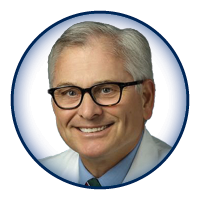
Paul Auwaerter, MD
Clinical Director, Division of Infectious Diseases
Sherrilyn and Ken Fisher Professor of Medicine
Johns Hopkins University School of Medicine
Baltimore, MD

Paul Doghramji, MD, FAAFP
Senior Family Practice Physician, Collegeville Family Practice
Medical Director of Health Services, Ursinus College
Collegeville, Pennsylvania

Aruna Subramanian, MD
Chief, Immunocompromised Host Infectious Diseases
Clinical Professor of Medicine,
Division of Infectious Diseases and Geographic Medicine
Stanford University School of Medicine
Stanford, CA
Physicians’ Education Resource®, LLC, is accredited by the Accreditation Council for Continuing Medical Education (ACCME) to provide continuing medical education for physicians.
Physicians’ Education Resource®, LLC, designates this live activity for a maximum of 1.5 AMA PRA Category 1 Credits™. Physicians should claim only the credit commensurate with the extent of their participation in the activity.
Physicians’ Education Resource®, LLC, is approved by the California Board of Registered Nursing, Provider #16669, for 1.5 Contact Hours.