Overview:
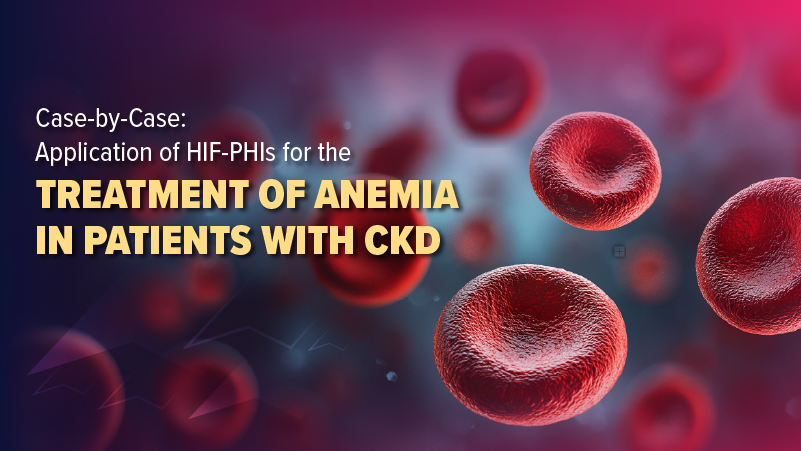
Anemia is a common and significant complication of chronic kidney disease (CKD). This condition often leads to fatigue, reduced quality of life, and increased cardiovascular morbidity and mortality. The traditional treatment paradigm for anemia in CKD involves erythropoiesis-stimulating agents (ESAs) and intravenous iron supplementation. However, these treatments are associated with safety concerns. Hypoxia-inducible factor prolyl hydroxylase inhibitors (HIF-PHIs) have emerged as a promising therapeutic alternative, offering a novel mechanism of action and potential clinical benefits. These agents have demonstrated efficacy in increasing hemoglobin levels in both dialysis-dependent and non-dialysis-dependent CKD patients. The convenience of oral administration is a significant advantage of HIF-PHIs, particularly for patients who may prefer to avoid frequent injections or IV iron therapy.
In this program, a panel of
expert faculty will use patient cases to discuss the use of HIF-PHIs for
dialysis-dependent patients with CKD and anemia, and how this new class of
drugs fits into our current treatment protocols.
Learning Objectives:
Upon completion of this activity, participants will be able to:
- Describe the burden of anemia on patients with CKD
- Evaluate clinical trial data for HIF-PHIs for anemia in CKD
- Design individualized management plans for patients with anemia and CKD