Overview:
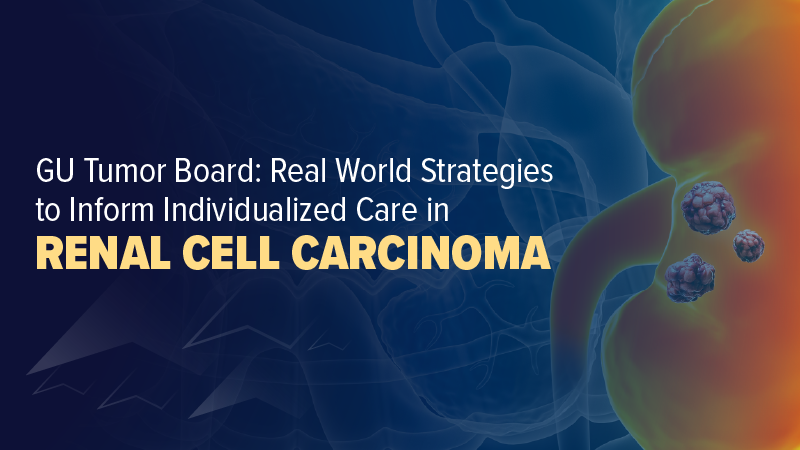
The management of renal cell carcinoma (RCC) is rapidly evolving due to the approval of new targeted and immunotherapeutic treatments, along with combination approaches. This trend is expected to continue with ongoing development of various single-agent and combination strategies in late-stage clinical trials. Healthcare providers need to stay updated on best practices to effectively use and sequence these therapies, which can be challenging due to the quick progression in this field and the need to apply clinical trial findings to real-world settings.
The GU Tumor Board® format comprises case discussions led by renowned experts in RCC, aiming to analyze the latest data's clinical implications in a tumor-board format. Its objectives include highlighting crucial RCC data, offering expert insights for interpretation, and predicting its clinical impact. The faculty will share practice preferences, perspectives on trial data, and clinical insights after each session.
Learning Objectives:
Upon completion of this activity, participants will be able to:
- Discuss recent evidence and ongoing trials evaluating novel agents and combinations in multiple lines of care and settings in the management of patients with renal cell carcinoma (RCC).
- Determine the implications of recent trial data evaluating novel therapies and combinations in the context of evolving treatment paradigms for RCC across multiple lines of care.
- Develop individualized treatment plans as well as sequencing strategies for patients with RCC based on clinical evidence and expert guidelines which incorporate risk stratification, as well as tumor- and patient-specific characteristics.
- Devise effective strategies for prompt identification and management of treatment-related toxicities among patients with RCC who are managed in multiple lines of care.
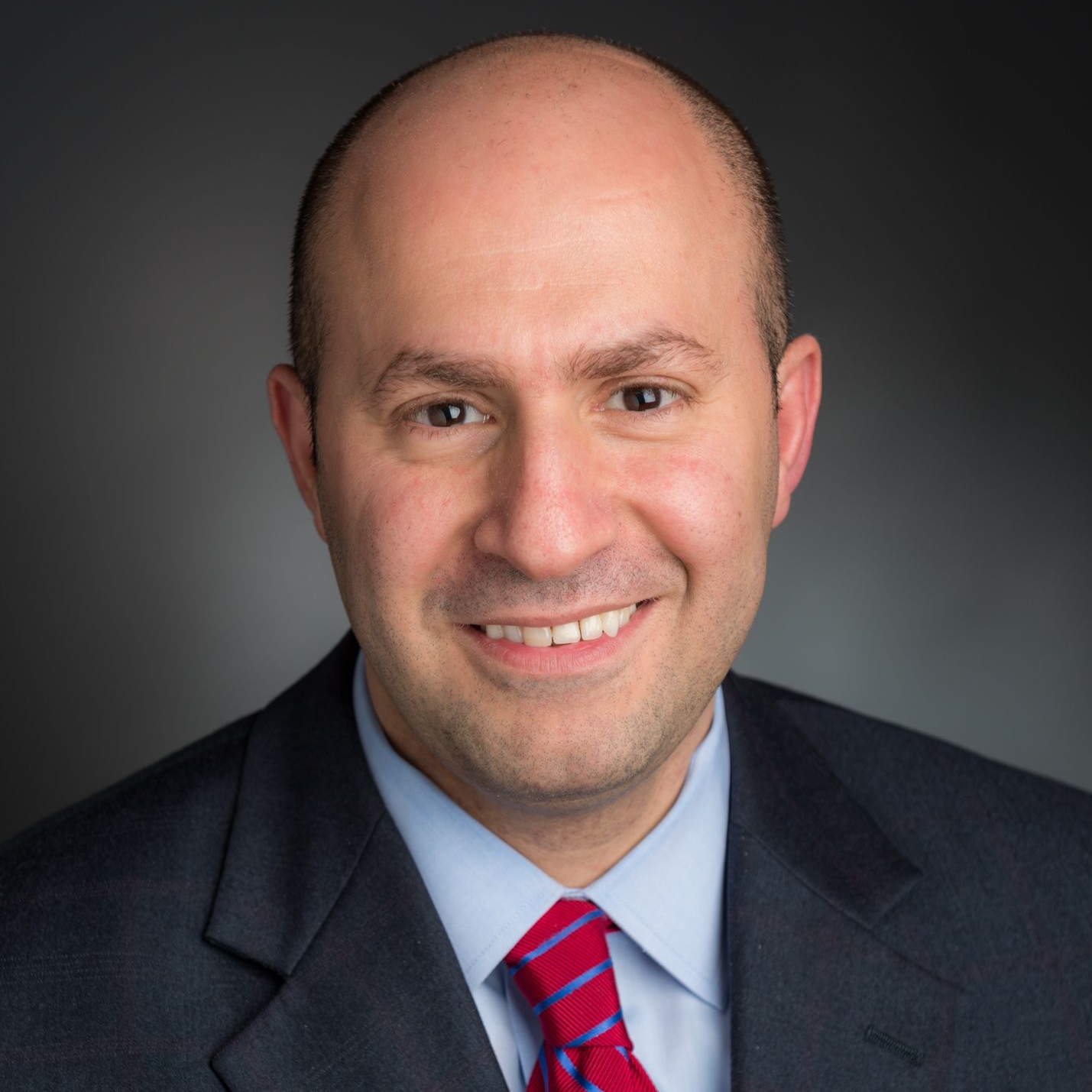
Toni Choueiri, MD
Director
Lank Center of Genitourinary Oncology
Director, Kidney Cancer Center
Dana-Farber Cancer Institute
Boston, MA
Thomas Powles, MBBS, MRCP, MD
Professor of Genitourinary Oncology
Director, Barts Cancer Centre at St. Bartholomew's Hospital
Lead for Solid Tumour Research
London, UK
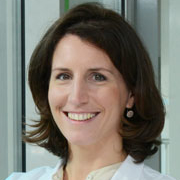
Laurence Alibiges, M.D., Ph.D.
Medical Oncologist, Chairing the Genitourinary group
Vice Chair, Department of Cancer Medicine
Gustave Roussy Institute
Villejuif, France
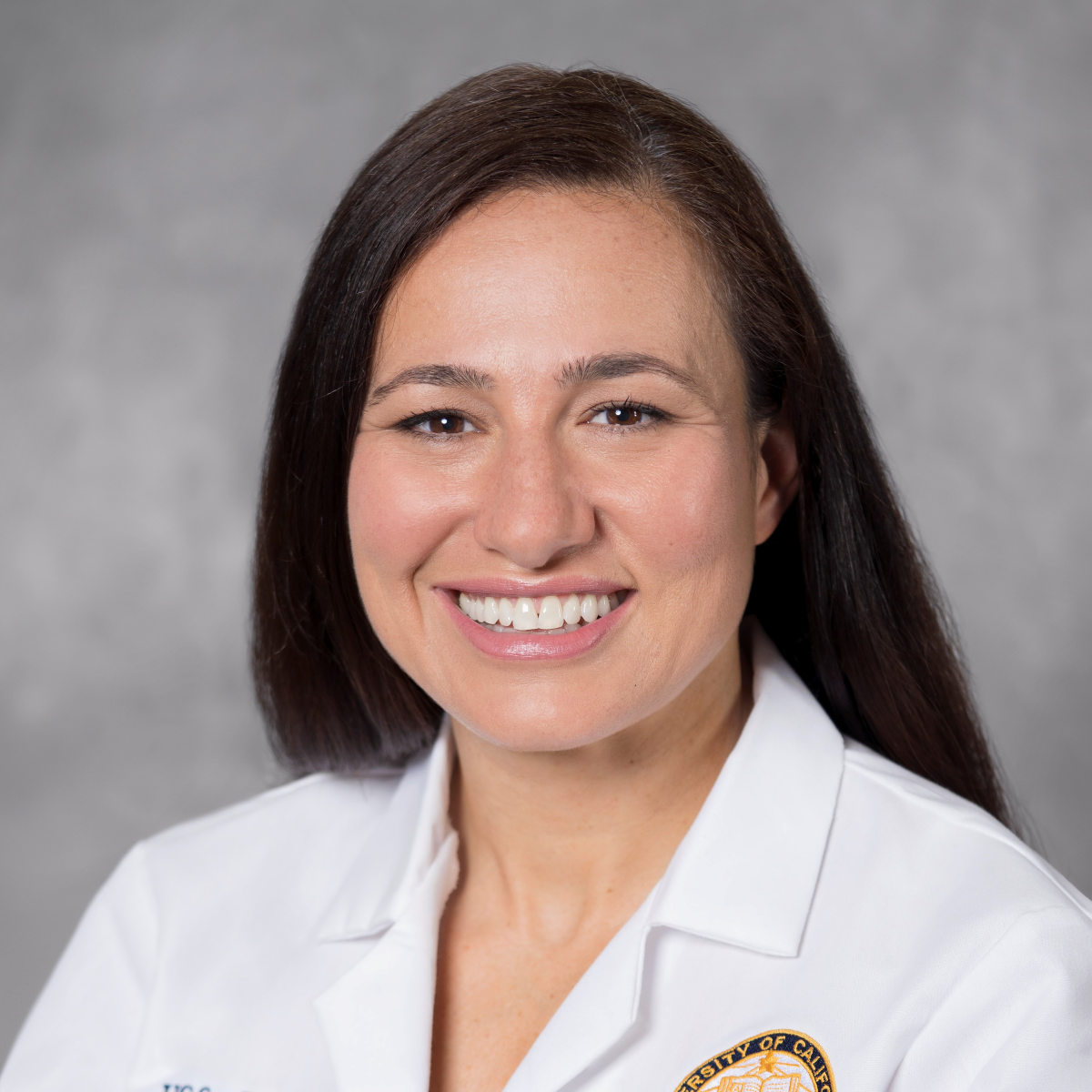
Rana R. McKay, MD
Associate Professor of Medicine
University of California San Diego
La Jolla, CA
Physicians’ Education Resource®, LLC, is accredited by the Accreditation Council for Continuing Medical Education (ACCME) to provide continuing medical education for physicians.
Physicians’ Education Resource®, LLC designates this live activity for a maximum of 2.0 AMA PRA Category 1 Credits™. Physicians should claim only the credit commensurate with the extent of their participation in the activity.
Physicians’ Education Resource®, LLC is approved by the California Board of Registered Nursing, Provider #16669, for 2.0 Contact Hours.