
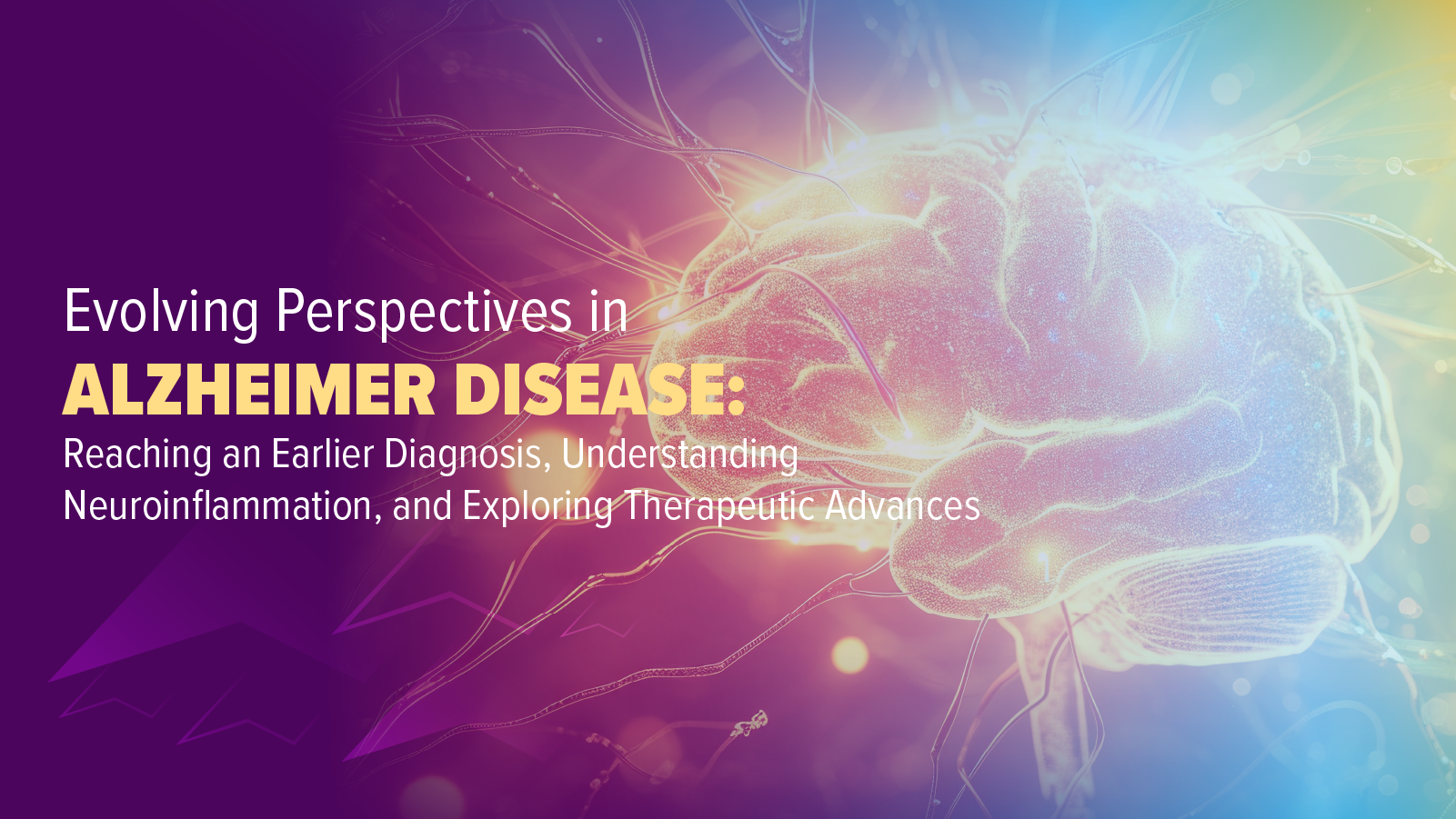
Overview:
Patients with early Alzheimer disease (AD) are not being diagnosed and treated optimally. As few as 20% of Americans with AD are diagnosed, and 50% are exposed to inappropriate medications. Neurologists have an essential role to play in the early diagnosis of AD, leading to earlier interventions (both pharmacologic and nonpharmacologic) to help maintain and improve physical and cognitive functioning. Several clinical trials in individuals “at risk” for AD or with preclinical or prodromal AD are now underway. Underlying mechanisms which are represented among these trials include neuroinflammation. There are 3 broad clinical approaches being taken to target neuroinflammation: agents promoting a broad-ranging immunomodulatory effect, agents focusing on the inflammatory signaling cascade, and agents targeting those cells resident in the CNS that are involved in neuroinflammation.
This program will provide an in-depth review of current state of the art in the early diagnosis of Alzheimer disease through case-based discussion. This engaging satellite symposium will also elucidate the role of neuroinflammation as a therapeutic target in AD and highlight safety and efficacy data for investigational agents targeting neuroinflammation. Ample time will be included for audience Q&A.
Learning Objectives:
Upon completion of this activity, participants will be able to:
- Apply strategies to facilitate early identification of patients who may be at risk of developing AD
- Identify the role of neuroinflammation in the pathophysiology of AD
- Evaluate clinical trial data for investigational agents targeting neuroinflammation in AD
Target Audience:
This program is directed toward neurologists and other HCPs who manage patients with Alzheimer's disease.
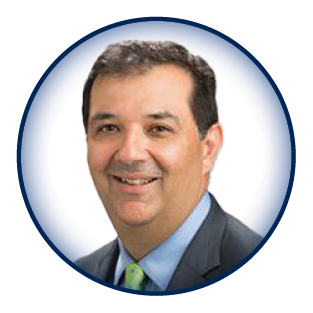
Alireza Atri, MD, PhD
Chief Medical Officer, Banner Research
Banner Alzheimer’s and Research Institutes
Director, Banner Sun Health Research Institute
Phoenix, AZ
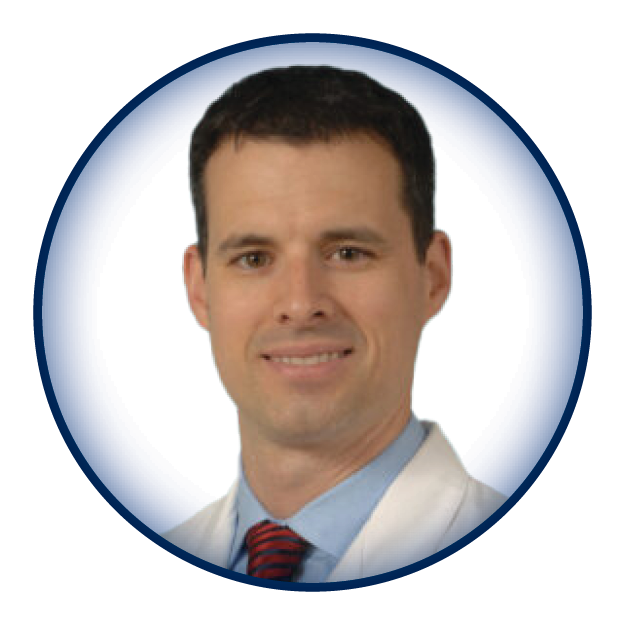
Erik S. Musiek, MD, PhD
Charlotte & Paul Hagemann Professor of Neurology
Knight Alzheimer’s Disease Research Center
Memory Diagnostic Clinic
Washington University School of Medicine in St. Louis
St. Louis, MO, USA
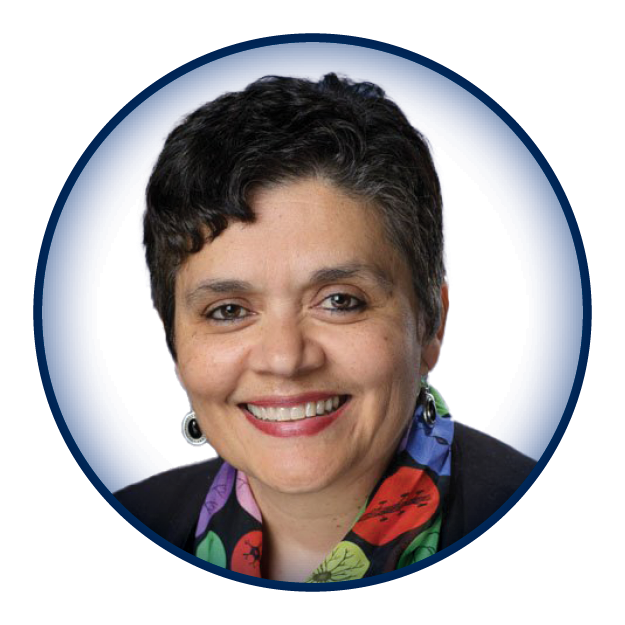
Malú Gámez Tansey, PhD
Norman and Susan Fixel Chair in Parkinson’s Disease
Professor of Neuroscience and Neurology
Director, Parkinson's Foundation Research Center of Excellence,
Editor-in-Chief, Nature Partner Journal Parkinson’s Disease
College of Medicine |University of Florida
Gainsville, FL
Physicians’ Education Resource®, LLC, is accredited by the Accreditation Council for Continuing Medical Education (ACCME) to provide continuing medical education for physicians.
Physicians’ Education Resource®, LLC, designates this live activity for a maximum of 1.0 AMA PRA Category 1 Credits™. Physicians should claim only the credit commensurate with the extent of their participation in the activity.
Start Time | Presentation Topic | Faculty Name |
4:45 pm ET | Introduction | Alireza Atri, MD, PhD |
4:50 pm ET | Diagnosing Alzheimer Disease | Erik S. Musiek, MD, PhD |
5:10 pm ET | Emerging Therapeutic Agents Targeting Neuroinflammation | Malú Gámez Tansey, PhD |
5:30 pm ET | Audience Q&A | Faculty Panel |
5:40 pm ET | Post-Session Questions and Conclusions | Faculty Panel |
5:45 pm ET | Conclusion | Alireza Atri, MD, PhD |