
Activity Overview
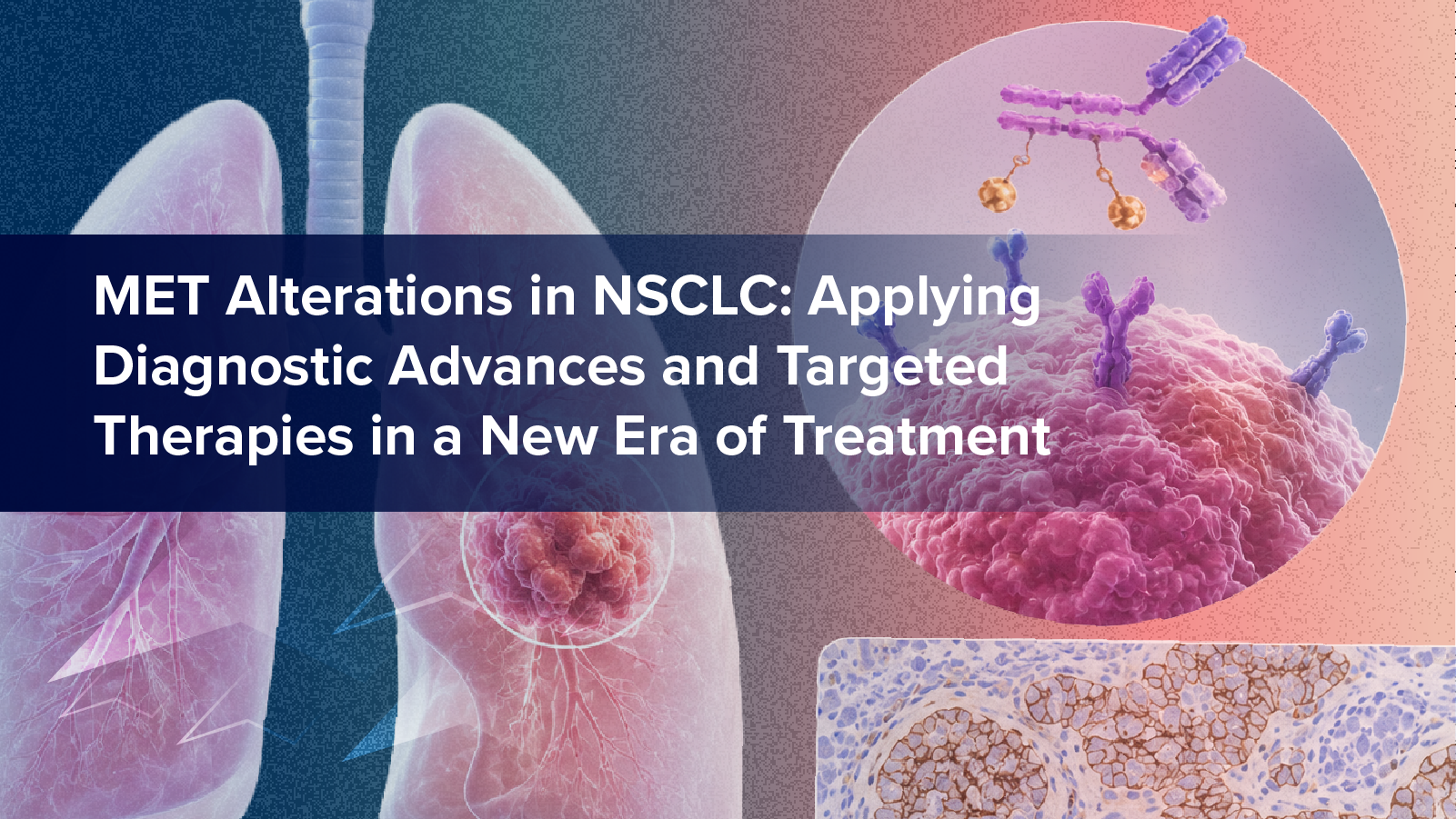
This online, on-demand virtual symposium brings together renowned experts in non-small cell lung cancer (NSCLC). In this educational program, these experts explore the critical differences between c-Met protein overexpression and MET exon 14 skipping mutations in NSCLC. Faculty delve into the latest therapeutic advancements, including antibody-drug conjugates targeting c-Met and tyrosine kinase inhibitors for MET exon 14 mutations, emphasizing clinical trial data and real-world applications.
This educational activity is an archive of the live presentation held on July 24, 2026.
Target Audience
This educational activity is directed toward medical, surgical, and radiation oncologists interested in the treatment of patients with lung cancer. Fellows, nurse practitioners, nurses, physician assistants, pharmacists, researchers, and other health care professionals interested in the treatment of lung cancer are also invited to attend.
Learning Objectives
Upon successful completion of this activity, you should be better prepared to:
- Assess molecular testing strategies for identifying categories of MET alterations in patients with NSCLC
- Apply FDA-approved and investigational c-MET–directed therapies based on the type of MET alteration in patients with advanced NSCLC
- Evaluate emerging clinical evidence for next-generation c-MET–targeting agents and combination strategies in MET-dysregulated NSCLC
- Develop evidence-based approaches to identify and manage adverse events associated with c-MET–directed therapies, including those specific to antibody-drug conjugates
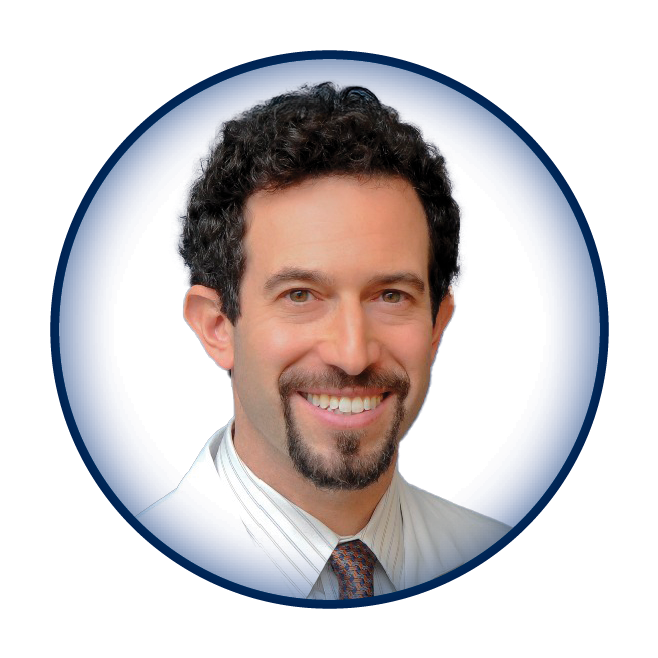
Jonathan Goldman, MD
Professor of Medicine, Division of Hematology/Oncology
Director of Clinical Trials in Thoracic Oncology
Associate Director of Early Drug Development
University of California, Los Angeles
Santa Monica, CA
Disclosures: Advisor, Consultant, Speaker, Fee-for-Service Recipient: AbbVie, Amgen, AstraZeneca, Bristol Myers Squibb, Eli Lilly, Genentech, Janssen, Pfizer, Summit; Grant/Research Funding (to institution): AbbVie, Agenus, Amgen, Astellas, AstraZeneca, Bristol Myers Squibb, Eli Lilly, Genentech, GSK, Janssen, Merck, Pfizer, Puma, RayzeBio, Summit, Tango

Sanja Dacic, MD, PhD
Professor of Pathology
Vice Chair and Director of Anatomic Pathology
Director, Thoracic Pathology
Department of Pathology
Yale School of Medicine
New Haven, CT
Disclosures: Advisor, Consultant, Speaker, Fee-for-Service Recipient: AstraZeneca

Deborah Doroshow, MD, PhD
Associate Professor of Medicine
Tisch Cancer Institute
Icahn School of Medicine at Mount Sinai
New York, NY
Disclosures: Advisor, Consultant, Speaker, Fee-for-Service Recipient: AstraZeneca, Bayer, Boehringer Ingelheim, Bristol Myers Squibb, Natera, Nuvation, Summit, Takeda

Anne S. Tsao, MD, MBA
Vice President, Academic Affairs
Professor, Thoracic/Head and Neck Medical Oncology
Director, Mesothelioma Program
The University of Texas MD Anderson Cancer Center
Houston, TX
Disclosures: Grant/Research Funding (to institution): AstraZeneca, Bristol Myers Squibb, Eli Lilly, Merck, Novartis, Pfizer, Seattle Genetics; Royalty or Patent Benefits: UpToDate
The staff of Physicians’ Education Resource®, LLC, have no relevant financial relationships with ineligible companies.
PER® mitigated all conflicts of interest for faculty, staff, and planners prior to the start of this activity by using a multistep process.
Off-Label Disclosure and Disclaimer
This accredited continuing education activity was planned in accordance with the ACCME Standards for Integrity and Independence to ensure balance, objectivity, independence, and scientific rigor. Faculty were instructed to use generic names when possible and to base recommendations on the best available evidence. Proprietary product names may be referenced in clinical discussion for educational purposes only and do not imply endorsement.
This activity may include discussion of investigational, unapproved, or off‑label uses of drugs or devices. Learners are advised to consult prescribing information for products discussed. Content is provided for educational purposes only and is not a substitute for the independent clinical judgment of a health care professional. Learners are encouraged to critically evaluate the information presented and apply their own clinical judgment.
The views expressed are those of the individual faculty members and do not necessarily reflect the views of the accredited provider or any entity providing commercial support.
This activity may have used AI-assisted tools to support educational development. All content was reviewed and approved by qualified faculty or planners. The accredited provider retains full responsibility for accuracy, balance, and independence.
Deborah Doroshow, MD, PhD
A patient progresses on osimertinib and is found to have high-level MET amplification. How do you weigh combined EGFR/MET inhibition against moving to chemotherapy?
What does a practice need in place for ocular toxicity prophylaxis and monitoring with ADCs, and when should ophthalmology be involved? And how do you manage grade 3 peripheral neuropathy in a patient receiving telisotuzumab vedotin?
Is there a role for immunotherapy in MET-driven disease, and what guides that decision?
When is a prior c-MET result still representative enough to guide treatment, and what pushes you toward contemporary tissue or liquid biopsy testing?
Sanja Dacic, MD, PhD
MET dysregulation takes three forms: protein overexpression, gene amplification, and exon 14 skipping. Which assay establishes each, and what does the pathology report need to say for the treating oncologist to act on it?
With no multiplex IHC available, PD-L1, HER2, and c-MET are three separate orders against one finite block. How do you sequence testing so the tissue lasts?
If NGS already detects MET amplification or exon 14 skipping, is MET IHC still worth ordering? And how should a c-MET 3+ result be read alongside a high gene copy number when an ADC is the question?
As IHC-based biomarkers multiply, in-house testing is getting harder for small and mid-sized institutions to sustain. Run it in-house, or send out to a reference lab?
Anne S. Tsao, MD, MBA
How do you interpret a cleared ctDNA result when deciding whether a MET-directed option is still viable? Does that mean the vendor's not detected status, or a specific numeric threshold?
How should a general oncologist tell protein overexpression, gene amplification, and exon 14 skipping apart? And when a patient with exon 14 skipping progresses on platinum chemotherapy, what points toward a MET TKI over a MET ADC, an EGFR agent, or immunotherapy?
Would you use a MET ADC on a nine-month-old c-MET IHC result after a failed re-biopsy? When has a biomarker result aged out, and what is the next step when re-biopsy yields no usable tissue?
If a community oncologist could change one practice habit on Monday morning after this session, what should it be?
Jonathan Goldman, MD
Audience responses showed clear gains in confidence across MET testing, therapy selection, and toxicity management, but the barrier attendees named most often was a lack of resources. Does that match what you see: clinicians who know what to do but cannot readily do it?
The clinical role of MET IHC was where attendees struggled most going in, with many treating the protein assay as a way to rule out exon 14 skipping. Why is that misconception so persistent, and how would you correct it?
On grade 3 peripheral neuropathy, many attendees would have permanently discontinued rather than held and dose-reduced as the label specifies. What does that reflex cost the patient, and how do you teach against it?
The gaps this program left behind were about diagnostic infrastructure: which assay reports what, when to spend the tissue, how to read an unannotated report. What should the follow-up education cover, and who is it for?
GET STARTED WITH THIS PROGRAM:
Register now to gain access to this program.
Create AccountAlready Registered? Login Here